
near and far
By Richard Marr
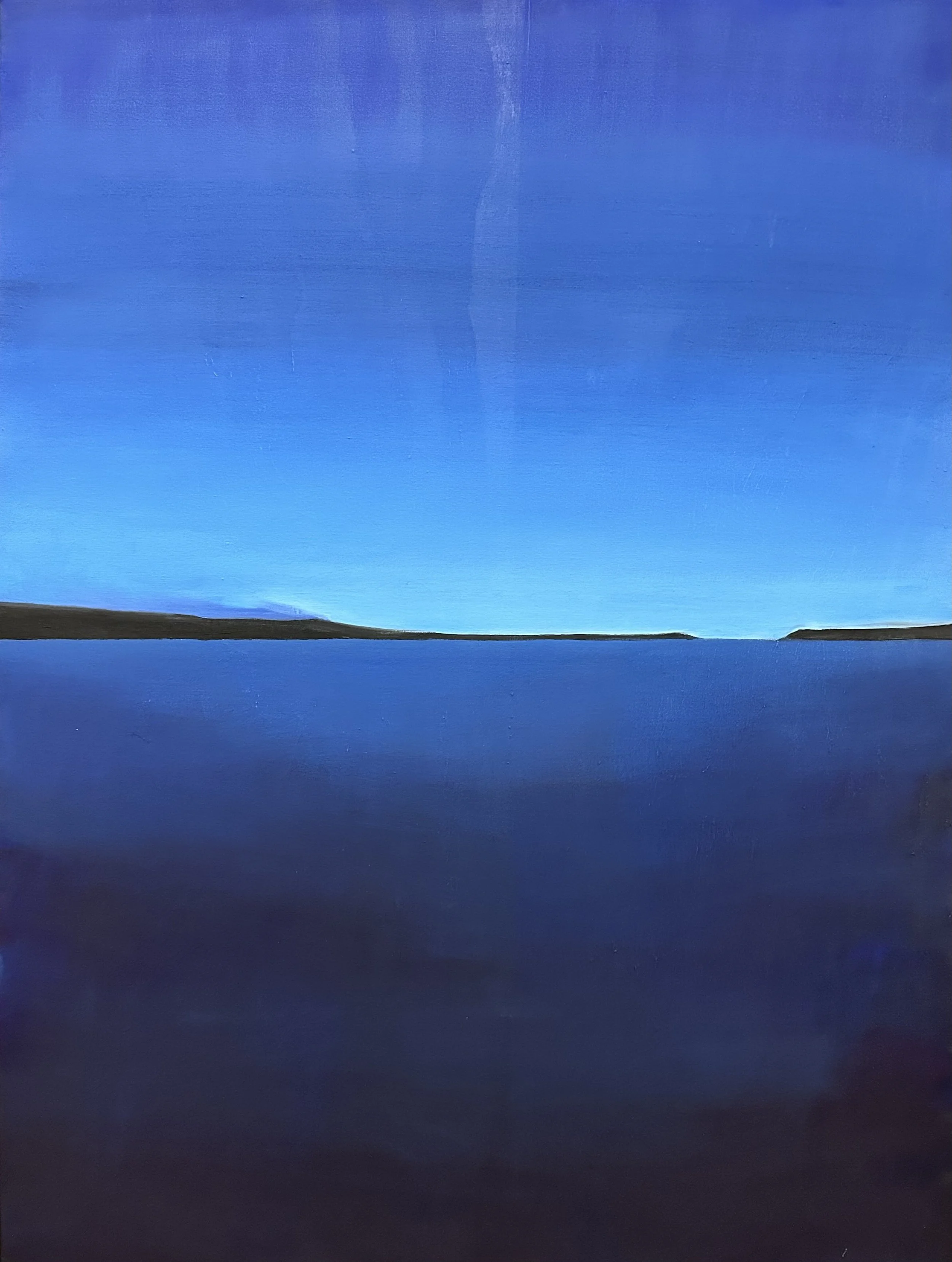
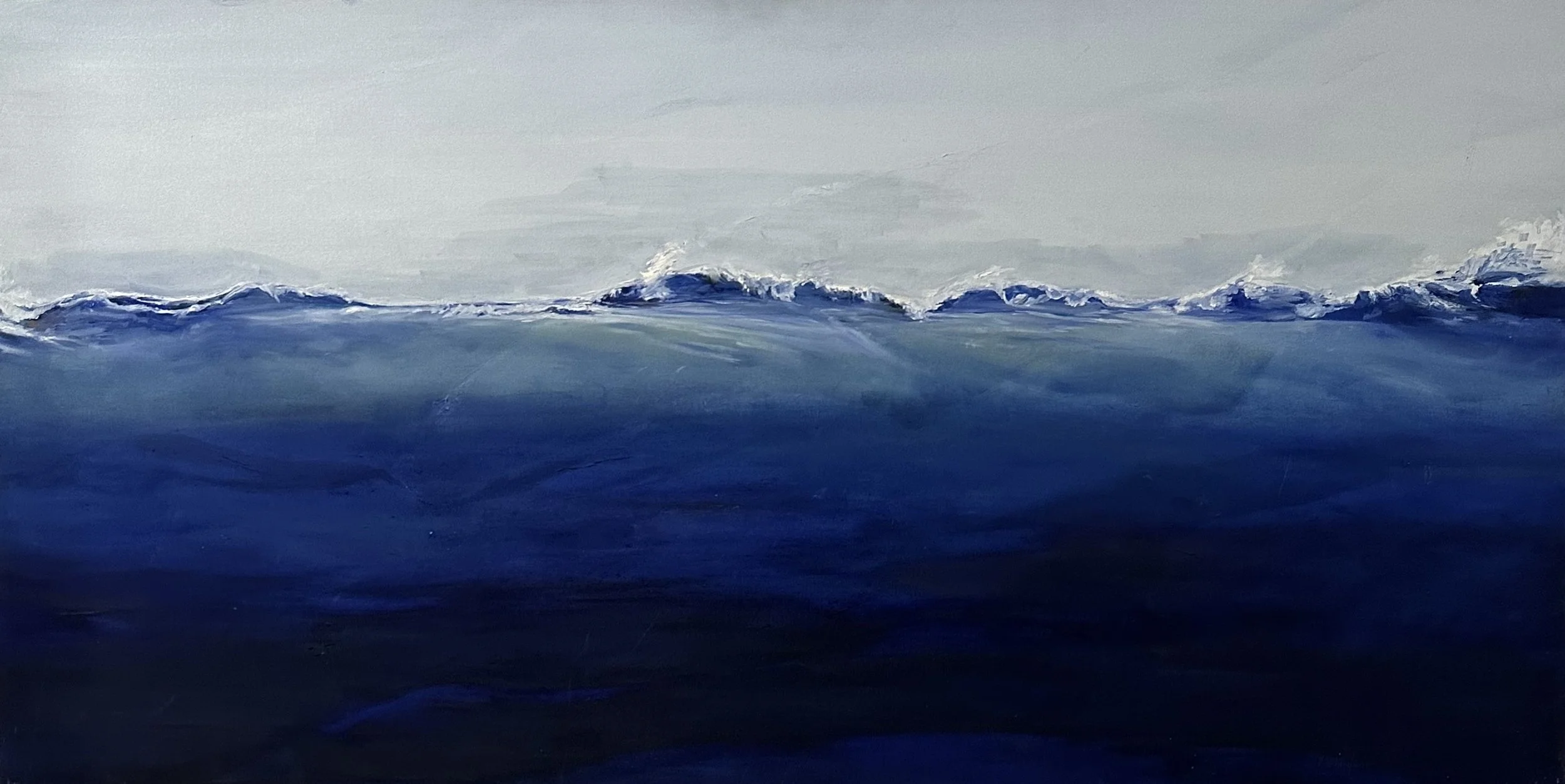
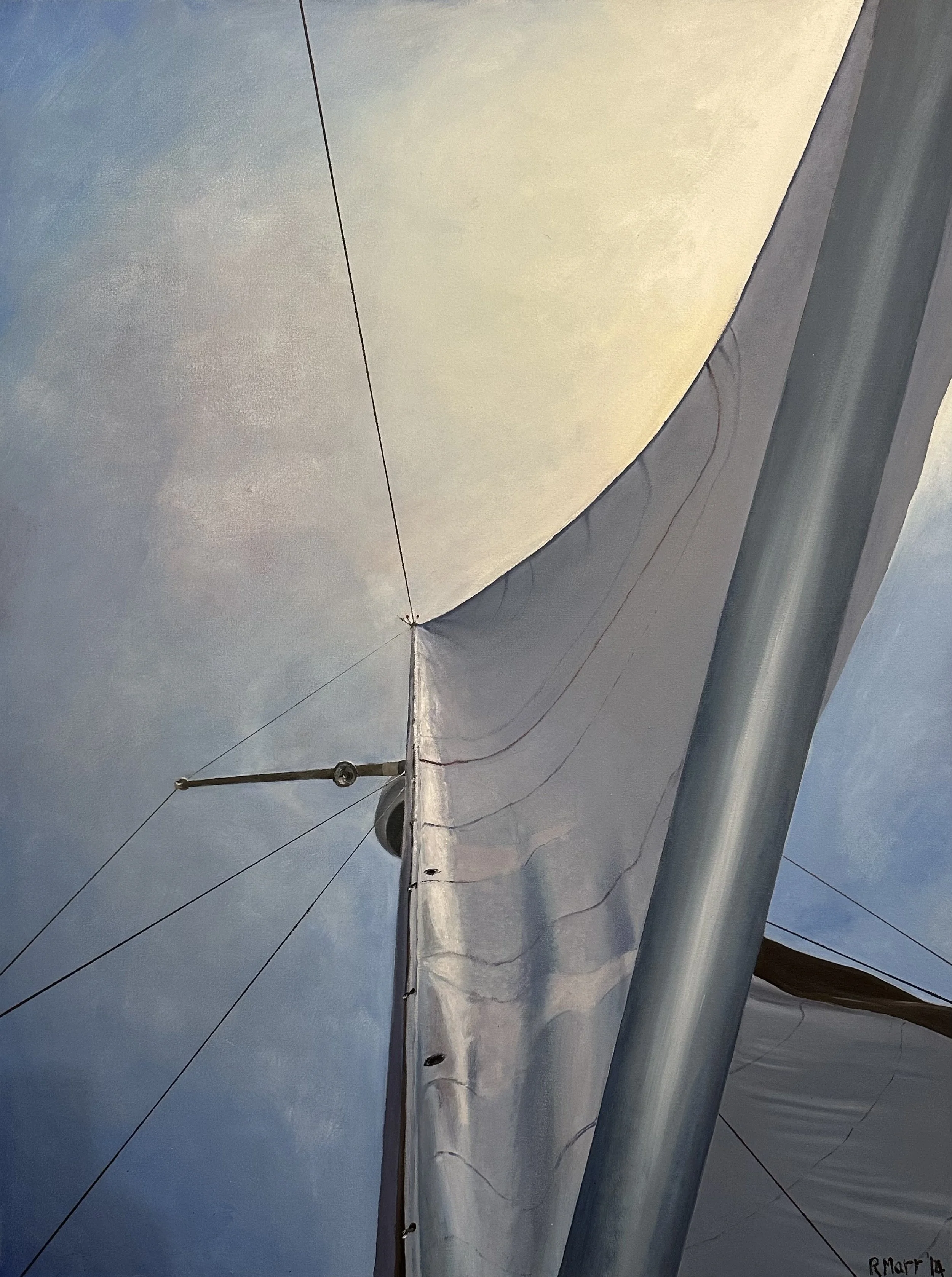
Tyte Gallery was pleased to present NEAR and FAR, a solo exhibition of new work by Richard Marr. This compelling exhibition showcases Marr’s evocative landscape paintings, offering viewers an immersive exploration of water, movement, and the interconnected rhythms of the natural world. The exhibition opened with a public reception on Saturday, April 18th and remained on view through June 7, 2026.
Marr’s work captures the dynamic energy of water in its many forms—from turbulent ocean waves to the steady flow of the Hudson River. His compositions reflect both physical experience and philosophical inquiry, inviting viewers to consider humanity’s place within a vast and ever-changing natural system.
Artist Statement
“I received my MFA from the University of Chicago in 1983 and spent much of the 1980s in Asia. After focusing on work and family throughout the 1990s and 2000s, I returned more fully to my art practice after 2010.
I began by drawing and painting from my sailboat, creating images that conveyed the sensation of instability—the physical experience of being knocked about on deck as the boat heeled in the wind. Over time, my focus shifted from the boat itself to the water: the waves, their force, and their unpredictability. Eventually, I ‘jumped overboard,’ turning my attention entirely to the movement of water—waves crashing onto shore and colliding with one another.
Much of this work was created on the East End of Long Island, near where I grew up and where my wife, Caro—now my agent—was living when we met. In 2018, we moved to Rhinebeck, and my attention turned to the Hudson River. I became increasingly captivated by its geological history and its profound influence on both early and contemporary America.
As the river flows south into New York Harbor and merges with the ocean, it becomes part of a larger cycle—evaporating into clouds, returning as rain or snow, and eventually feeding back into streams and rivers. Within this endless circulation, the human notion of “progress” dissolves into the complexity of natural rhythms.